When consensus cracks
What we can learn from the collapsing consensus undergirding the pediatric gender industry.

What does it look like when a manufactured consensus breaks down? The pediatric gender industry has spent the last few days finding out. On January 30, detransitioner Fox Varian won a historic lawsuit against the psychologist who mismanaged her mental health needs and the surgeon who removed her healthy breasts at just 16 years of age. Four days later, the American Society of Plastic Surgeons broke with other American medical associations and released a policy statement recommending that their members stop performing gender surgeries on people under age 19. They were soon followed by the American Medical Association, who agreed that “surgical interventions in minors should be generally deferred to adulthood.”
These developments have prompted some observers to predict that we are approaching the end of the pediatric gender industry itself. I hope they’re right, but I also remember how people made similar (and ultimately premature) predictions a few years ago after several European countries backtracked on these procedures for minors, as well as after the release of the Cass Report. In blue states like mine, Democrats are still promoting — and forcing taxpayers to fund — these procedures. And just days before Varian’s victory in court, New York Attorney General Letitia James fired consumer fraud attorney Glenna Goldis for speaking out against gender drugs and surgeries. (In a delightful bit of poetic justice, Goldis was subsequently hired by the Federal Trade Commission to combat consumer fraud in the gender industry.)
Regardless of shifting trends, the underlying reality — that it is impossible for humans to change sex, and that unnecessary surgeries and hormonal manipulation can harm people — has never changed. The only thing that has shifted is the political climate, now that public resistance and outrage against ideologically-driven malpractice is increasingly undeniable. If and when more organizations move to distance themselves from these procedures, we should never forget the cost of blindly “trusting the experts.” This issue not only matters because of the injustice done to these young people and their families, but also because it exposes how easily destructive ideas can overtake influential institutions when people let emotional appeals and social pressure cloud their judgment.
For years, credulous progressives have cycled through the “that never happens —> okay it’s happening but it’s rare —> actually it’s a good thing and you’re weird for being concerned about it” minimization routine anytime someone questioned the pediatric gender industry. But drugging and cutting children’s bodies in pursuit of a biological impossibility would still be horrifying even if it only happened to one child. People are quite rightly concerned about thousands of young people experiencing lifelong bodily dysfunction, pain and trauma after having their brains, bones, vocal chords, livers, endocrine systems and reproductive organs damaged by doctors who should have been looking out for them.
Further, these young people aren’t the only ones who have been hurt. Gender activists and ideologues within the medical field and related professions have also ruined the careers and reputations of colleagues who dared to state obvious truths about human biology and the dangers of these kinds of interventions, especially for children. Government officials have taken children away from rightfully skeptical parents trying to protect their children from permanent harm. Entire families have been hurt and divided by activists who have indoctrinated supporters into believing that any hesitation to go along with these procedures constitutes bigotry or neglect. That indoctrination has also fostered an environment where militant trans activists and their “allies” feel empowered to send rape and death threats (and in some cases, actually commit acts of violence) to people who disagree with their beliefs.
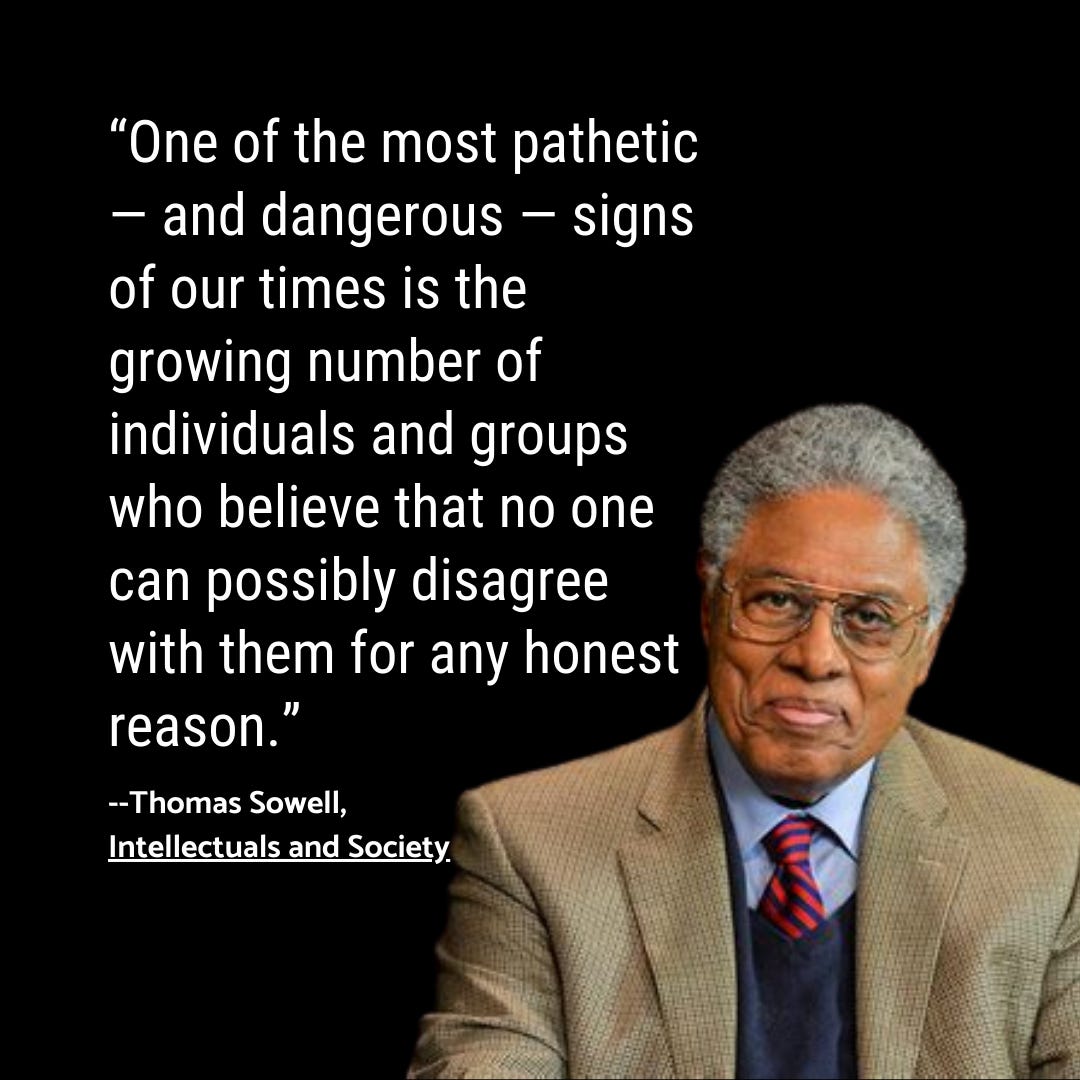
The organizations and individuals targeting people for objecting to these interventions often justified their attacks by pointing to the now-collapsing “expert consensus.” But that consensus was always illusory. It was conjured up using misleading practices like circular referencing among leading professional organizations, most of whose decision-makers never consulted or represented the majority of their members. For example, the American Academy of Pediatrics’ (AAP) policy statement on gender drugs and surgeries for minors
was written by a single doctor, [Jason] Rafferty, and does not appear to have been reviewed by anyone else at the organization: Rafferty “conceptualized,” “drafted,” “reviewed,” “revised,” and “approved” the manuscript himself, a note at the end of the paper reads…
“There was clearly no fact-checking,” one longtime AAP member said. “The AAP thought trans was the next civil rights crusade and got boondoggled by enthusiastic young doctors.”
A teeny group of ideologues drove recommendations in key organizations like the AAP, which silenced internal dissent while outwardly projecting a false appearance of professional unity. Similarly, advocacy from the World Professional Association for Transgender Health (WPATH), a comparatively new quasi-professional organization, also pressured more established and (formerly) credible medical organizations to create the appearance of consensus where none existed. Meanwhile, activists in other areas of the sciences also got to work redefining “sex” to suit their ideological preferences. Their opinions, in turn, were used to persuade (or in some cases, browbeat) their professional class peers until “affirmation” was seen as the only acceptable response to children expressing this particular kind of dissatisfaction with their bodies.
The threat of social condemnation (and occasional threats of violence), not robust scientific inquiry or evidence, is what drove this radical shift in how adults treat children as they navigate one of the most significant phases of human development. People became so concerned about being “on the wrong side of history” that they landed on the wrong side of biology (and history, especially as more detransitioners tell their stories and seek justice in court).
The moral of this dark story? Emotional manipulation, groupthink, and cowardice are poisonous to critical thinking. Procedures that damage children’s bodies in an attempt to make them look more like the opposite sex never made sense. Yet millions of people have been convinced to overlook or endorse medical malpractice via hollow appeals to authority (“expert consensus”), misdirected appeals to pity, and/or fear of social disapproval.
If we care about children, public trust, and sanity in public policy, we shouldn’t let this dangerous ideological fad pass into history without public and personal accountability. We need to take a hard look at the medical, legal and advocacy organizations that normalized and promoted chemically and surgically altering children’s bodies for non-medical reasons, many of whom still refuse to admit wrongdoing despite mounting evidence of harm. No such organizations, nor the allied politicians they’ve helped elect, deserve our trust, our money, or our votes until they change course and share what safeguards they’re adopting to avoid falling for destructive fads in the future.
But we can’t only look “out there” at the problem if we have bowed to conformist demands on issues like these. The damage done by the pediatric gender industry should be a wake up call, particularly to the disproportionately “educated,” affluent folks who fell for this scam at greater rates than our working class counterparts. We clearly need to be more skeptical of ourselves and our peers. Everyone holds foolish ideas from time to time. But only some people have the power to forcibly impose foolish ideas on the rest of society by threatening skeptics’ livelihoods, passing harmful legislation, or dividing families. And they only get that power when the rest of us actively support their pressure campaigns, or silently tolerate them instead of speaking up.
Yes, it is absolutely uncomfortable and occasionally risky to challenge errant colleagues, friends or family who claim an intellectual or moral mandate to carry out some course of action. But protecting vulnerable people is far more important than our comfort or professional ambitions, and a clear conscience is worth more than conformists’ approval. Take appropriate precautions if and when necessary, but please speak up whenever you can. Groupthink thrives on dissenters’ silence; critical thinking is strengthened by questions and conversation.